July 27, 2026
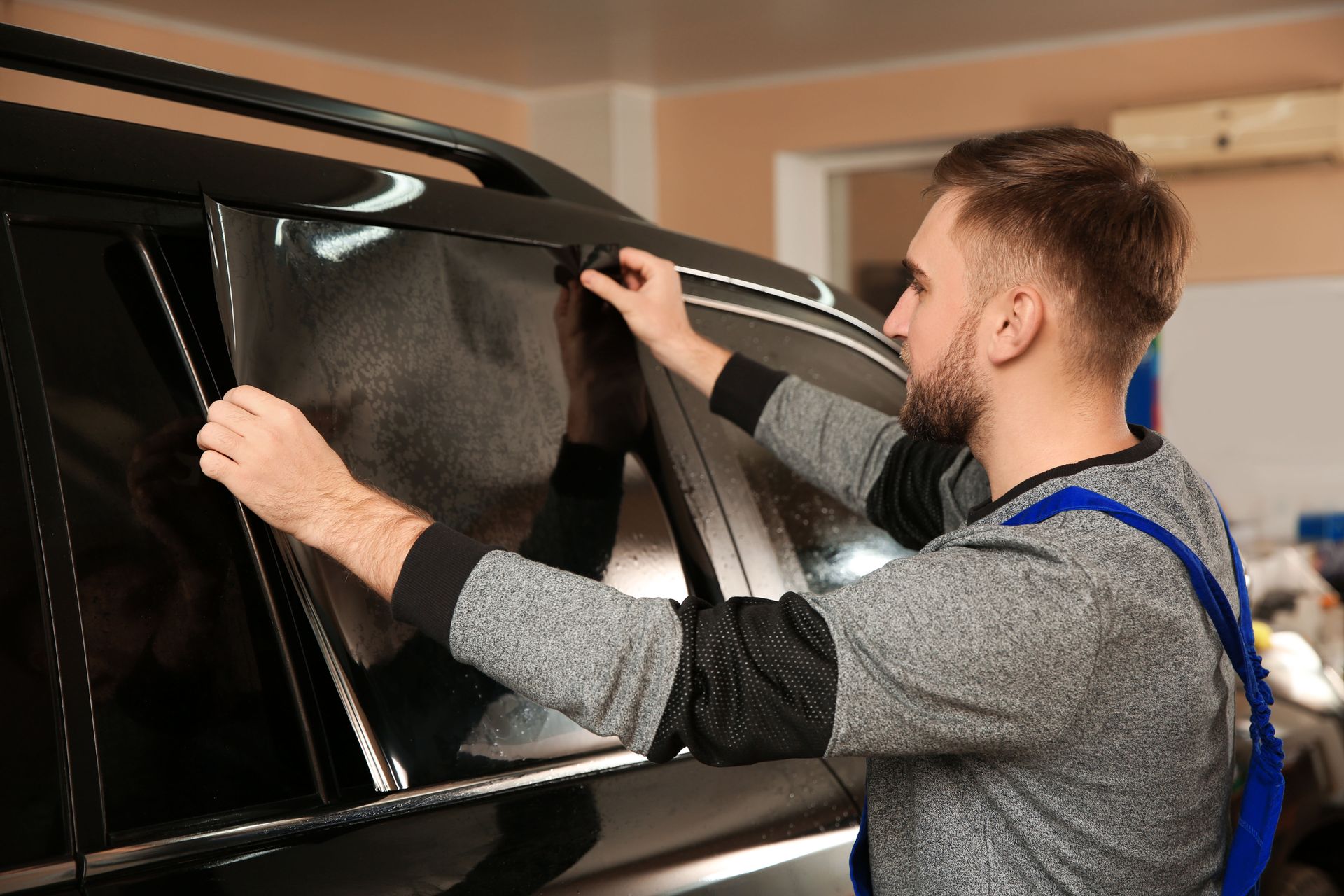
California driving has always been defined by open highways, coastal breezes, and long hours under a bright sun. However, as climate patterns continue to bring record-breaking summer temperatures and prolonged heat waves across the Golden State, vehicle ownership conditions have changed significantly. Drivers from the South Bay to the Central Valley are discovering that factory glass simply is not enough to maintain interior comfort, protect cabin materials, or shield passengers from relentless solar energy. Today, modern auto tinting has evolved into an essential upgrade that addresses real-world concerns ranging from rising energy costs to personal skin health.
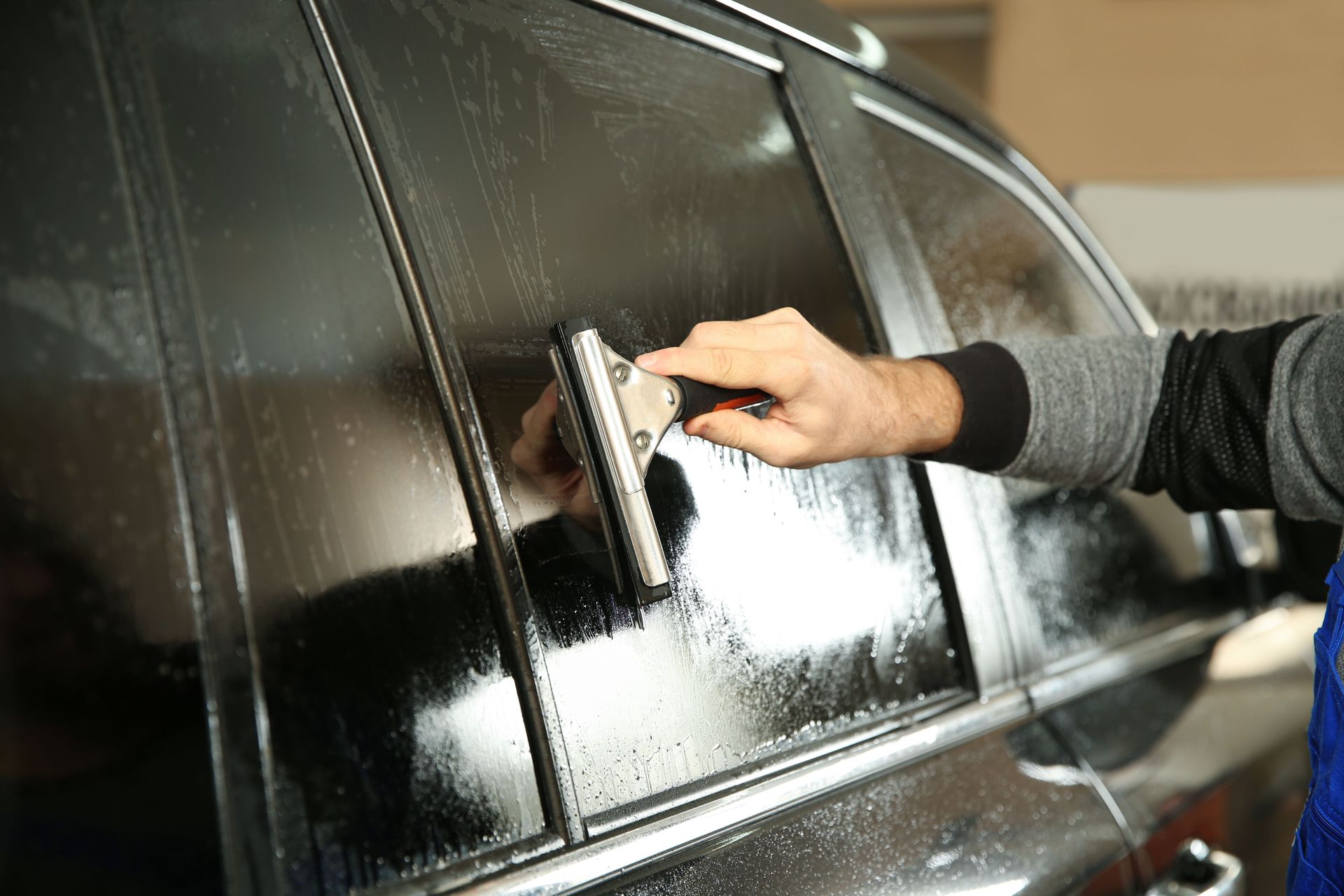
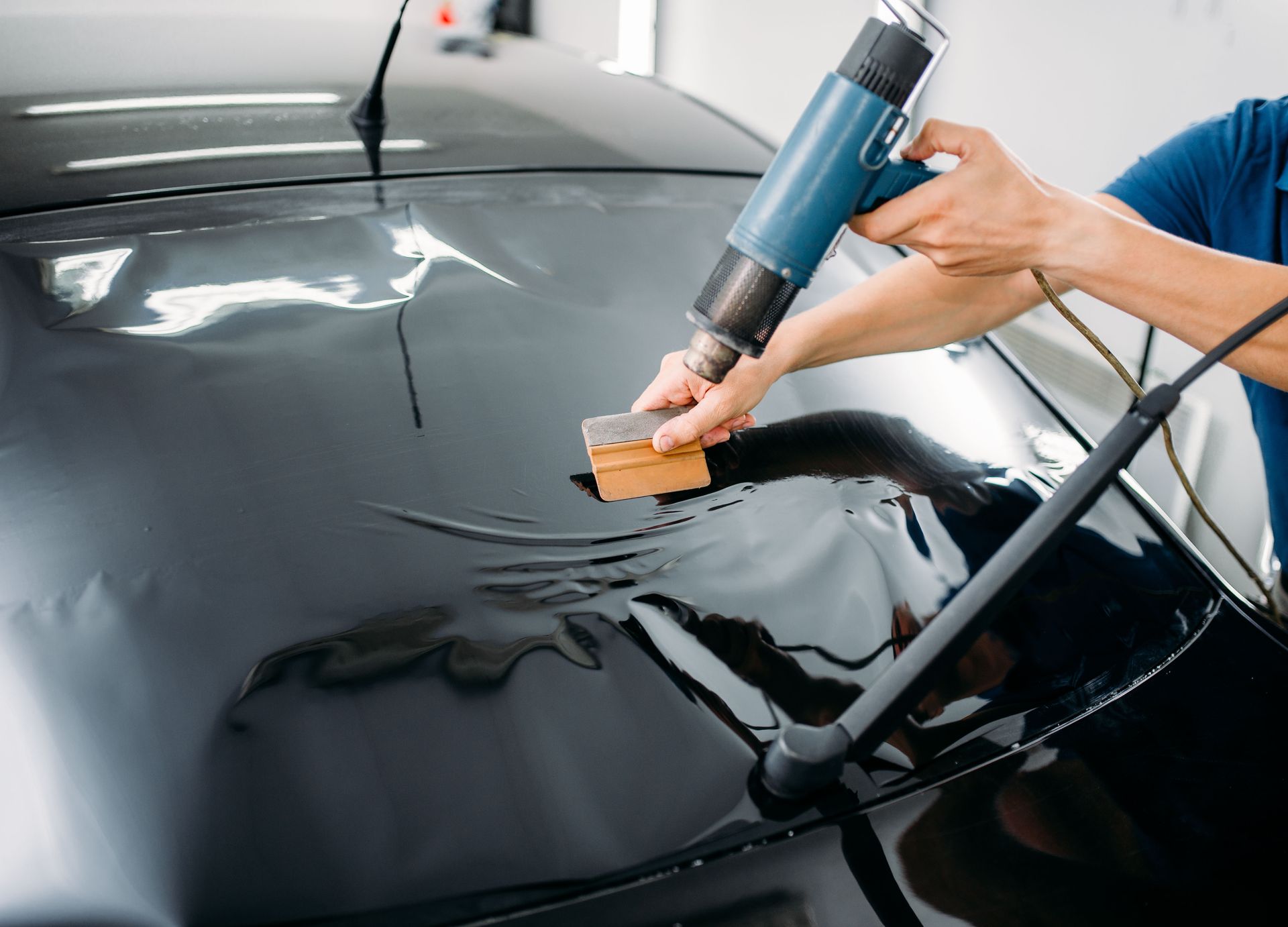
Whether you operate a gas-powered commuter sedan or a late-model electric vehicle, the solar radiation entering your vehicle affects every single drive. Modern glass tinting technologies, particularly advanced nano-ceramic films, allow drivers to dramatically reject heat while maintaining legal visibility standards. California motorists are increasingly turning to professional solar rejection solutions to solve complex everyday challenges on the road.
Combating Rising Heat and Intense Solar Radiation
Southern California weather has always been sunny, but recent years have brought unprecedented heat spells that stretch well beyond the typical mid-summer months. When a vehicle sits parked outdoors in places like Torrance, Manhattan Beach, or Los Angeles, interior cabin temperatures can surge in a short amount of time. Stepping into a scorching car with boiling leather seats and a scalding steering wheel is not just uncomfortable; it is an exhausting routine that drivers are eager to eliminate.
Standard factory glass is designed to block weather elements and physical debris, but it offers minimal protection against infrared heat radiation. Infrared light is the primary spectrum of sunlight responsible for the intense thermal energy you feel radiating through your side and rear windows. Investing in specialized auto tinting creates a powerful thermal barrier that reflects infrared rays before they penetrate the glass. Premium nano-ceramic formulations are embedded with microscopic non-metallic ceramic particles that absorb and disperse heat rather than letting it transfer into the passenger environment.
By blocking up to 90 percent or more of infrared heat, ceramic window films dramatically lower ambient interior temperatures. When your cabin stays substantially cooler while parked, you step into a far more pleasant environment every time you get behind the wheel. During stop-and-go freeway traffic, the reduced thermal load means your vehicle maintains a stable, comfortable climate without requiring the air conditioner to run constantly at maximum speed.
Protecting Vehicle Interiors From Permanent Sun Damage
A vehicle is one of the largest financial investments most households make, and preserving its resale and trade-in value requires ongoing care. While most drivers remember to wash the exterior paint and schedule regular oil changes, interior degradation often goes unnoticed until severe damage has already taken place. The intense sunshine in coastal and inland California acts as a constant catalyst for material breakdown inside your vehicle.
Dashboard panels, leather seats, synthetic trim, and steering wheel coverings are constantly exposed to direct solar radiation through large glass surfaces. Over time, heat and ultraviolet exposure cause leather to lose its natural moisture, becoming dry, brittle, and prone to deep cracking. Plastic components expand and contract continuously, leading to warping, discoloration, and structural weakness. Custom upholstered surfaces fade, lose their vibrant color, and break down along seam lines. This is why professional auto tinting is important the interior of your car.
Maximizing Electric Vehicle Battery Efficiency and Range
California leads the nation in electric vehicle adoption, with thousands of drivers switching to zero-emission battery electric cars each year. While driving an electric vehicle offers incredible technology and convenience, battery range management remains a primary consideration for daily commutes and longer road trips. Many drivers are surprised to learn how environmental factors, specifically thermal management, impact their total achievable mileage on a single charge.
In an electric car, running the heating, ventilation, and air conditioning system draws power directly from the main high-voltage traction battery. Unlike gasoline engines, which utilize excess engine heat for cabin warmth, an EV must spend electricity both to cool and heat the interior space. On hot afternoon drives, running the climate control at full power to battle incoming solar heat rapidly drains battery capacity, shortening your available driving range and forcing more frequent charging stops. This is why vehicle owners use auto tinting.
Safeguarding Passenger Health Against Harmful Ultraviolet Rays
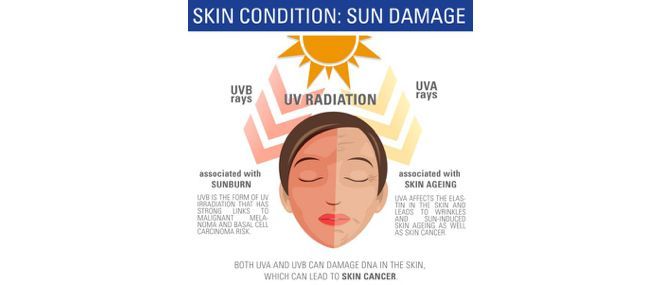
While heat rejection often gets the most attention, ultraviolet radiation poses a serious, year-round health hazard to drivers and passengers alike. Sunlight consists of three distinct components: visible light, infrared light, and ultraviolet radiation. Ultraviolet rays are completely invisible, but they carry enough energy to cause serious cellular damage to human skin and eyes. Many motorists mistakenly assume that being inside a closed vehicle protects them from UV exposure.
In reality, standard automobile side windows only block UVB rays, the short-wavelength radiation responsible for immediate sunburns. They allow long-wavelength UVA rays to pass directly through the glass virtually unimpeded. UVA rays penetrate deep into the dermis layer of human skin, accelerating premature skin aging, causing cumulative sun spots, and significantly increasing the long-term risk of skin cancers, including melanoma. Dermatologists frequently report seeing higher rates of skin damage on the left side of drivers' faces and arms due to daily commuting routines.
Enhancing Cabin Privacy and Personal Property Security
Vehicle security and personal privacy are top concerns for California urban and suburban drivers. Between busy parking lots, street parking, and dense traffic, leaving valuable items visible inside an unattended automobile invites unwanted attention. Laptops, work tools, gym bags, shopping packages, and personal electronics stored on rear seats or footwells can become easy targets for opportunistic smash-and-grab theft.
Auto tinting provides an effective, non-invasive privacy solution by altering light transmission levels from the exterior while keeping outward visibility clear from the inside. Darker shade options on rear side windows and back glass make it extremely difficult for passersby to look into your vehicle and catalog what is inside. This visual barrier deters potential thieves by removing the immediate visual trigger that often prompts property crimes.
Navigating California Window Tint Regulations With Confidence
Understanding state window film laws is crucial when upgrading your vehicle's glass. California law establishes precise guidelines regarding allowable darkness and reflectivity levels to ensure optimal road safety and clear driver visibility for law enforcement officers. Misinterpretations of tint limits can lead to unnecessary citations, but staying informed allows you to enjoy all the protective benefits of solar control while remaining fully compliant with state vehicle codes.
California Vehicle Code mandates that the front windshield may only feature a transparent, non-reflective strip across the top four inches, often referred to as the AS-1 line. According to Corrales Law Group, LLC, California only allows you to use clear, colorless, transparent film on the front side windows, and the film must allow at least 88% Visible Light Transmission (VLT), and the combined glass-plus-film must meet a minimum of 70% VLT to be compliant with FMVSS 205.
As driving conditions in California continue to demand greater vehicle efficiency, passenger comfort, and long-term asset protection, solar rejection window films have shifted from a simple cosmetic styling choice into a practical, high-value investment. From blocking intense infrared heat waves to protecting your family from invisible ultraviolet radiation, modern window films deliver measurable daily benefits for every type of vehicle. To get started with our auto tinting services, contact South Bay Tinting today.